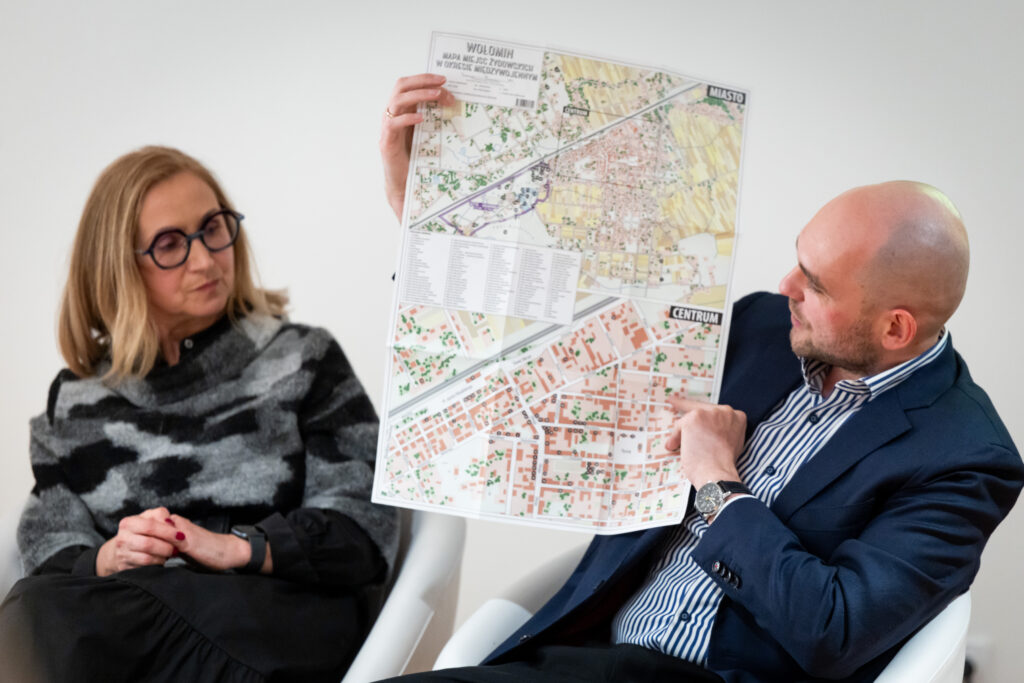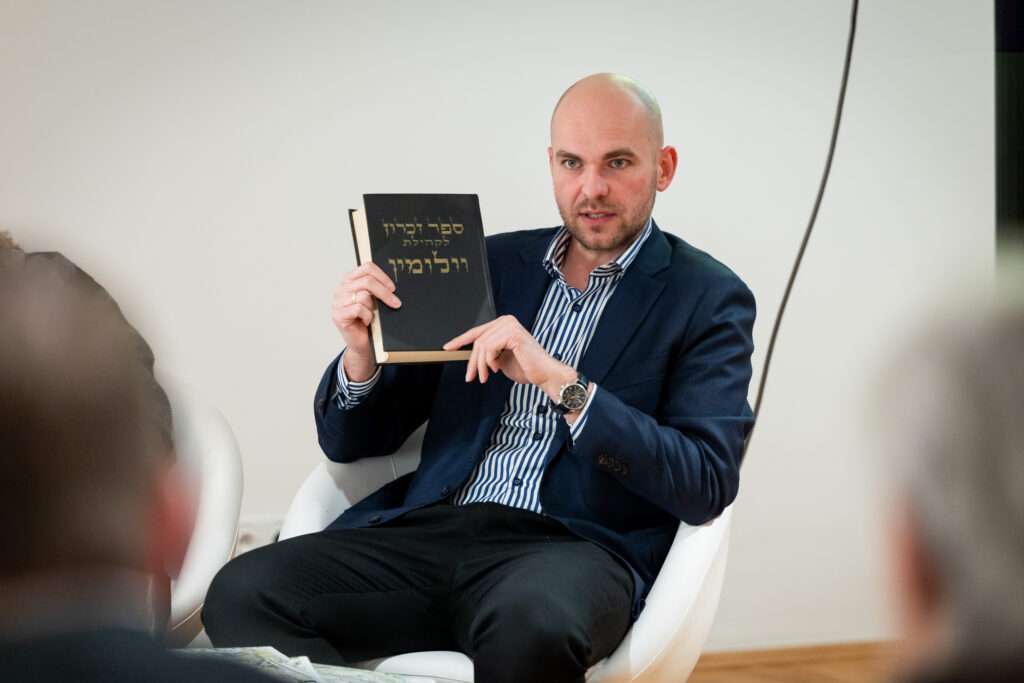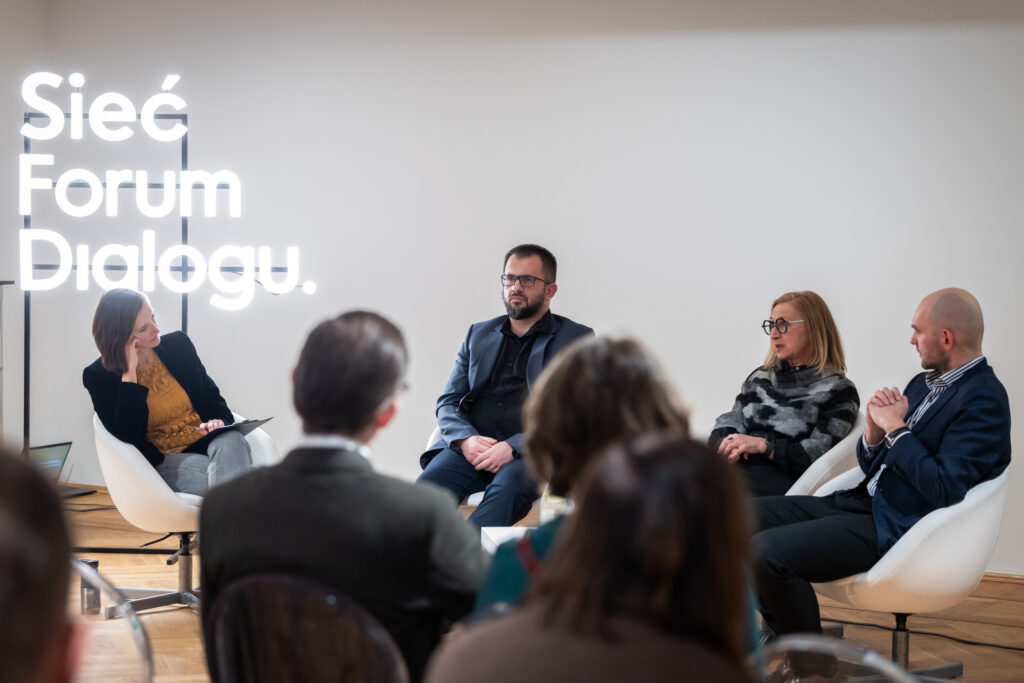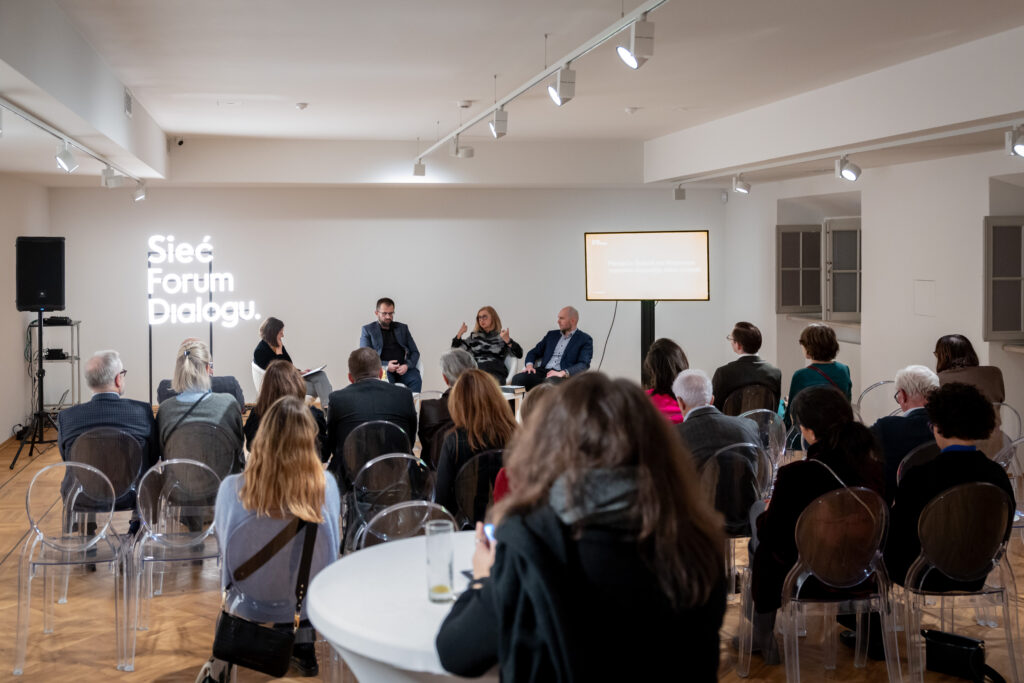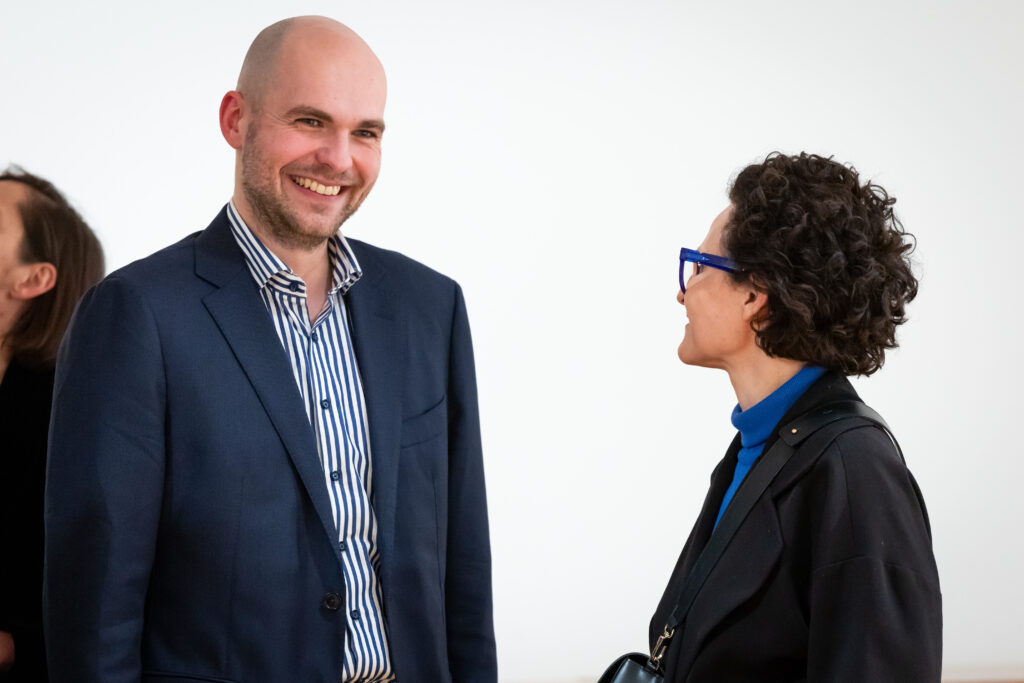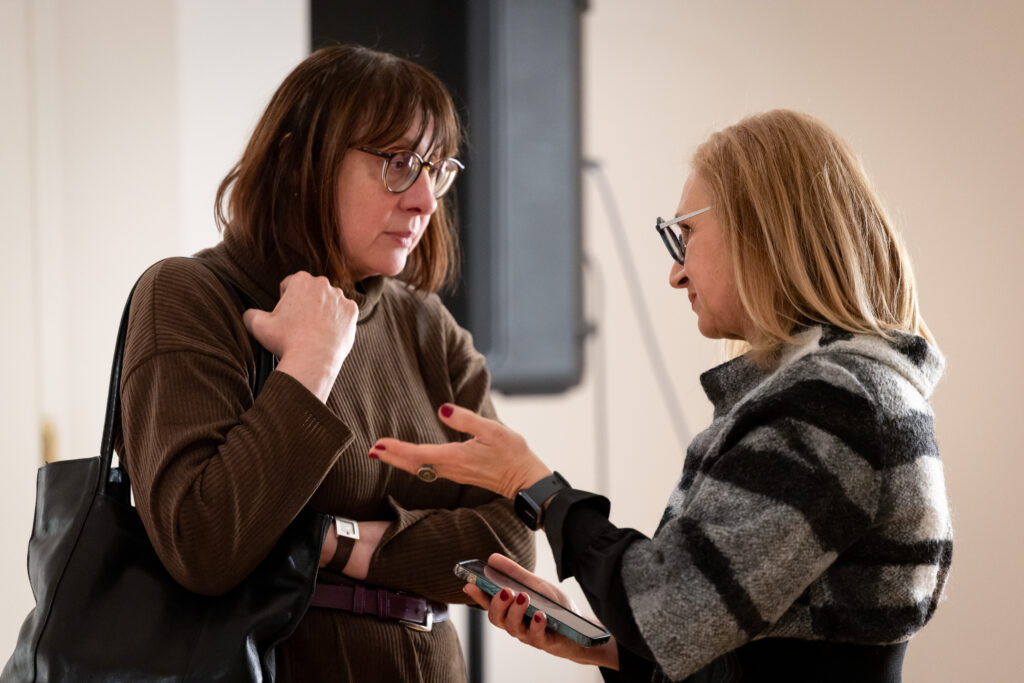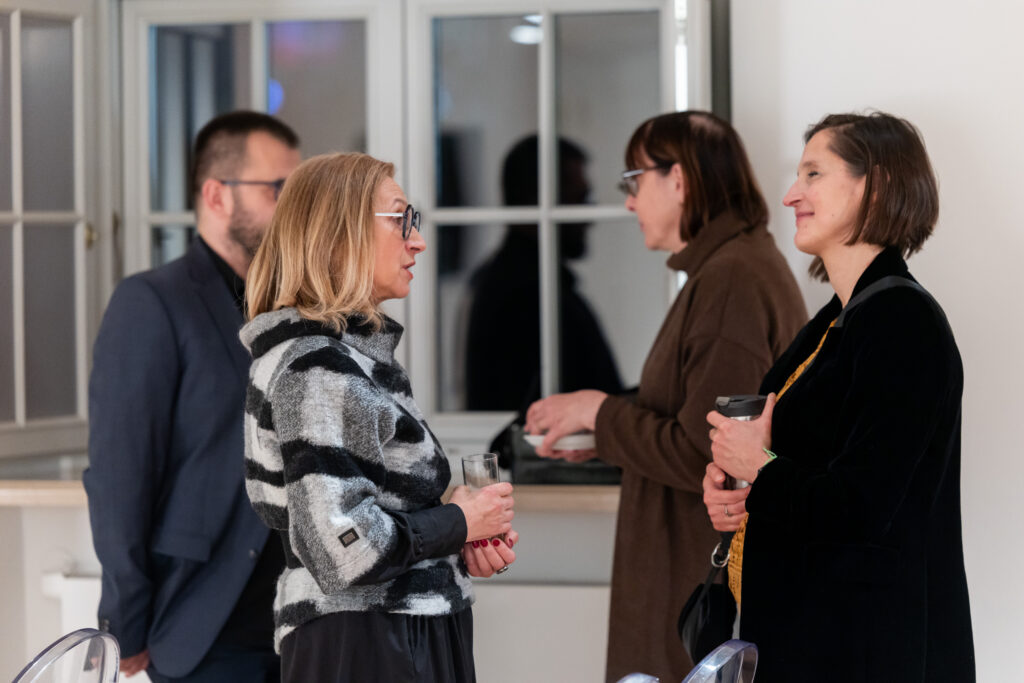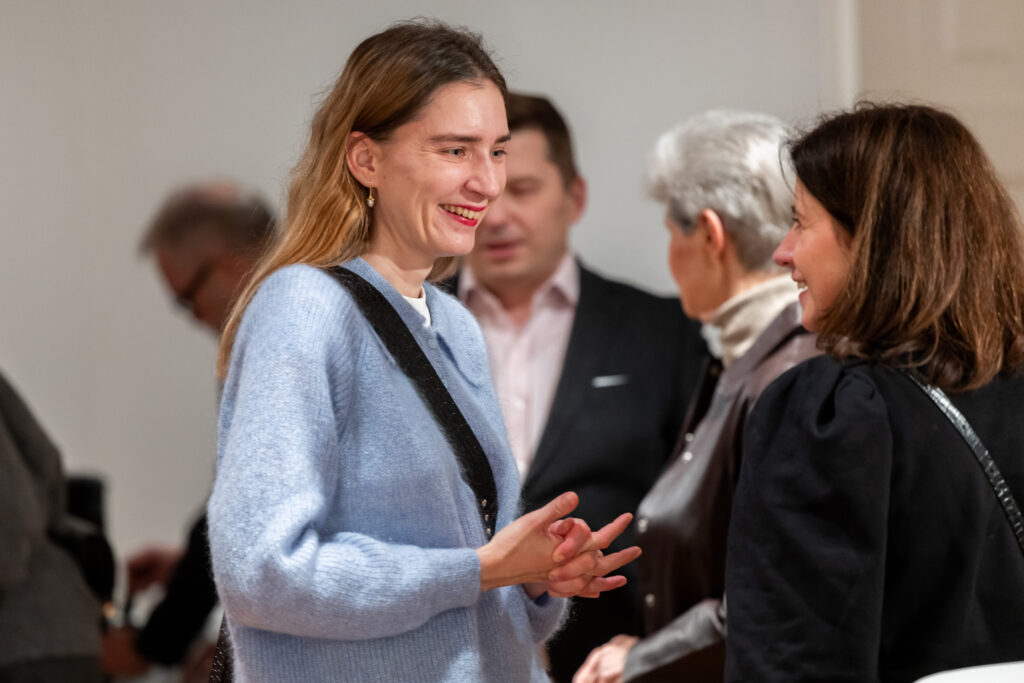

Working with young people in Żyrardów, discovering family histories in Kałuszyn, and documenting the fate of the Wołomin community – these were the main themes of a promotional meeting held on December 15 in Warsaw. The event, organized by Forum for Dialogue, provided an opportunity for Network members Bożena Gąsiorowska, Przemysław Jaczewski, and Piotr Szulc to exchange their experiences.
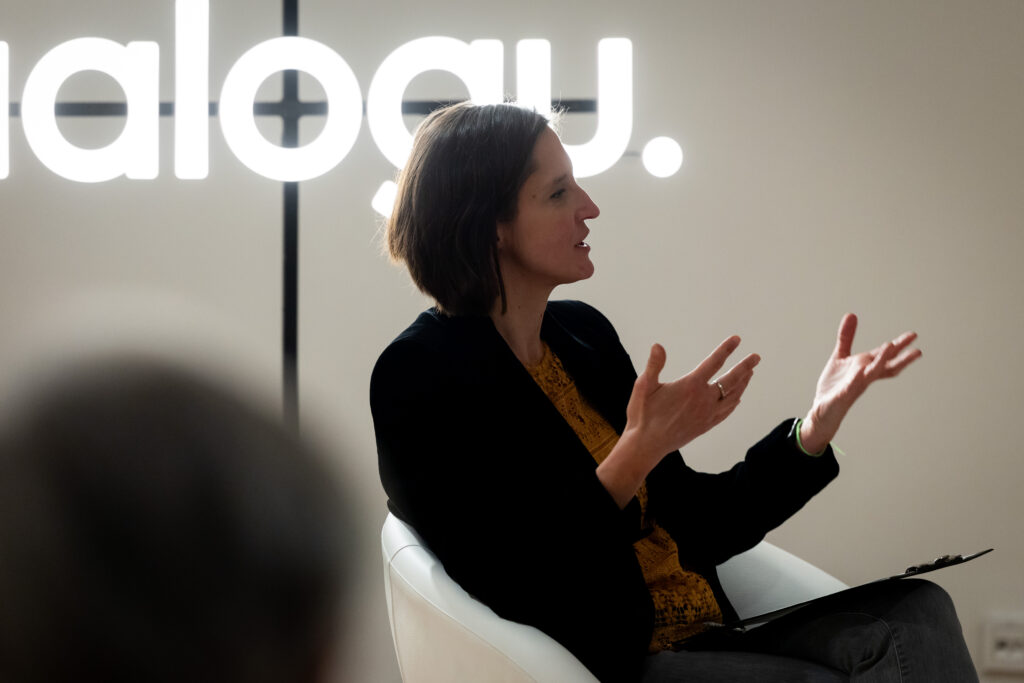
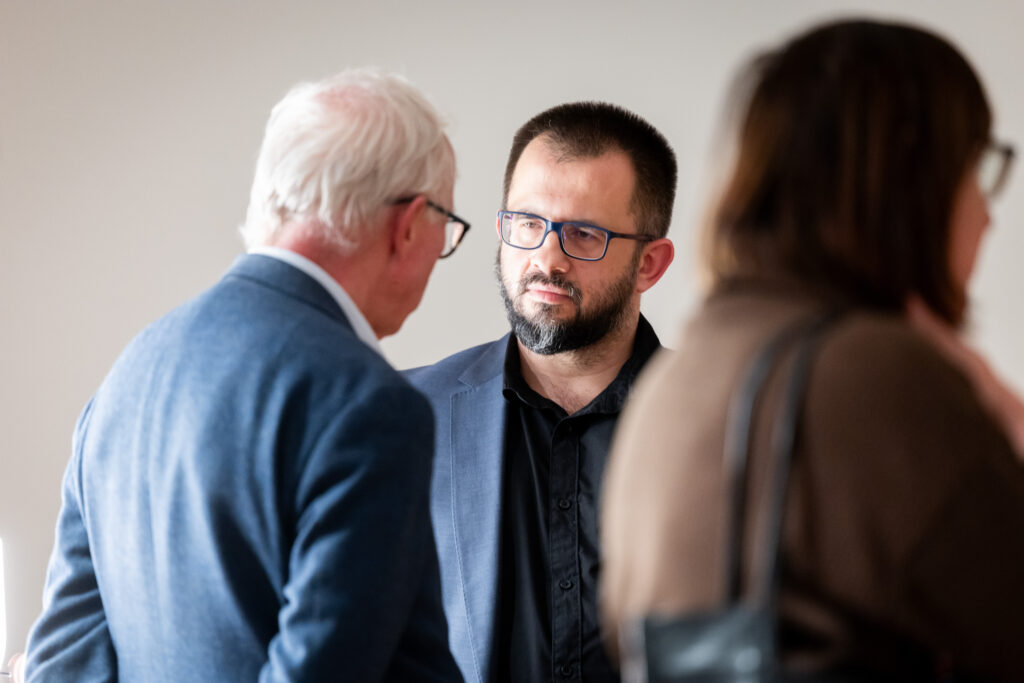
The conversation, led by the Forum’s director, Olga Kaczmarek, PhD, demonstrated that commemorating the Jewish past of Mazovia is a process requiring not only archival precision but, above all, empathy and relationship-building with descendants. The discussion highlighted three pillars of effective memory work: education, relationships, and documentation. Bożena Gąsiorowska, sharing her insights from Żyrardów, emphasized that young people engage most deeply with history through the stories of specific individuals, which fosters empathy and an understanding of multicultural heritage. Another key theme was partnership with descendants. Przemysław Jaczewski, citing his collaboration with Joseph Gellman from Kałuszyn, demonstrated that these relationships go far beyond symbolic gestures – they involve joint archiving of photographs and restoring Jewish names to the urban landscape. Piotr Szulc, in turn, highlighted the importance of written sources, announcing the upcoming publication of the translated Book of Remembrance of the Jews of Wołomin.
The participants agreed that working with heritage requires patience and precision, but brings measurable results. Thanks to the exchange of experiences within the Network, local initiatives become an inspiration for building an open community, aware of its roots and ready for dialogue.